







Introduction
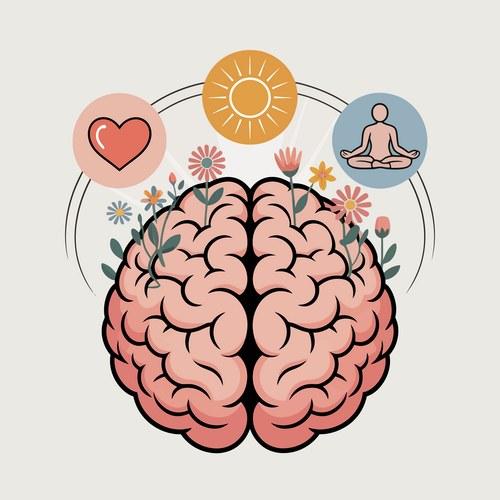
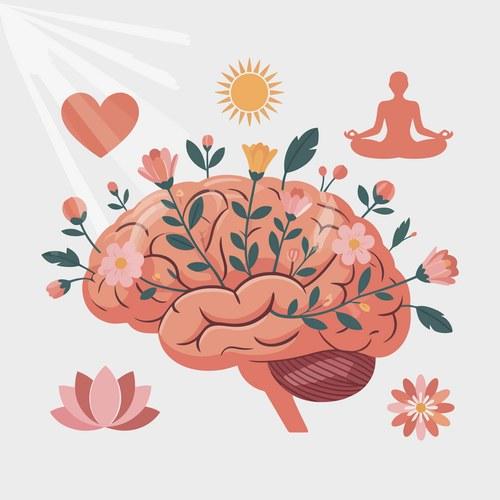
Mental health is just as important as physical health. Our thoughts, emotions, behaviors, and relationships influence how we experience everyday life. Everyone encounters stress, disappointment, and uncertainty from time to time, but with healthy coping strategies, supportive relationships, and professional care when needed, many people can improve their emotional well-being.
This guide introduces common mental health concepts, explains several psychological conditions and personality traits that are often misunderstood, and shares practical ways to support mental wellness.
Important: This article is for educational purposes only. It is not a substitute for professional medical or psychological diagnosis or treatment.
What Is Mental Health?
Mental health includes our emotional, psychological, and social well-being. It affects how we:
- Think
- Feel
- Make decisions
- Handle stress
- Build relationships
- Work and study
Mental health exists on a spectrum. Experiencing occasional stress or sadness does not necessarily mean someone has a mental health disorder.
Common Mental Health Conditions






1. Depression
Depression is more than feeling sad for a few days. It is a medical condition that may involve:
- Persistent low mood
- Loss of interest in enjoyable activities
- Fatigue
- Changes in sleep or appetite
- Difficulty concentrating
- Feelings of worthlessness or hopelessness
Effective treatments may include psychotherapy, lifestyle changes, medication (when prescribed), or a combination of these.
2. Anxiety Disorders
Anxiety becomes a disorder when excessive worry or fear is persistent and interferes with daily life.
Symptoms may include:
- Excessive worrying
- Restlessness
- Muscle tension
- Rapid heartbeat
- Trouble sleeping
- Difficulty concentrating
3. Stress
Stress is the body’s natural response to challenges.
Short-term stress can sometimes be helpful, but chronic stress may contribute to physical and emotional problems if left unmanaged.
4. Frustration
Frustration occurs when obstacles prevent us from reaching our goals. Healthy coping skills, flexibility, and problem-solving can help reduce its impact.
Personality Traits vs. Mental Disorders

It is important not to confuse personality traits with diagnosed mental health conditions. Only qualified mental health professionals can make diagnoses.
Narcissistic Traits
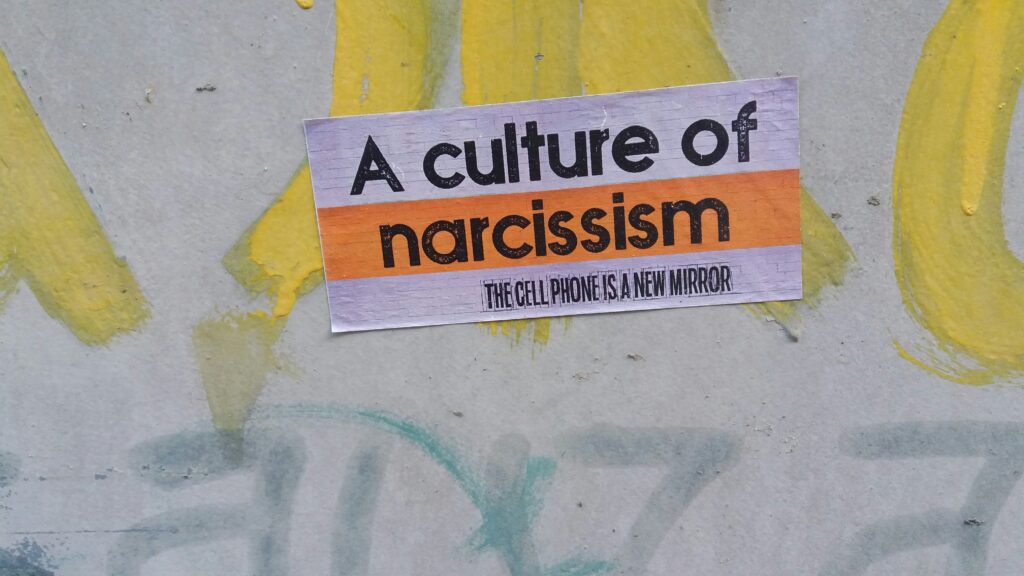

Some people display narcissistic traits such as:
- Strong need for admiration
- Sense of superiority
- Difficulty accepting criticism
- Limited empathy in some situations
Having some narcissistic traits does not necessarily mean a person has a diagnosable personality disorder.
Manipulative Behavior



Manipulative behavior involves attempting to influence others through unhealthy methods such as guilt, deception, or emotional pressure.
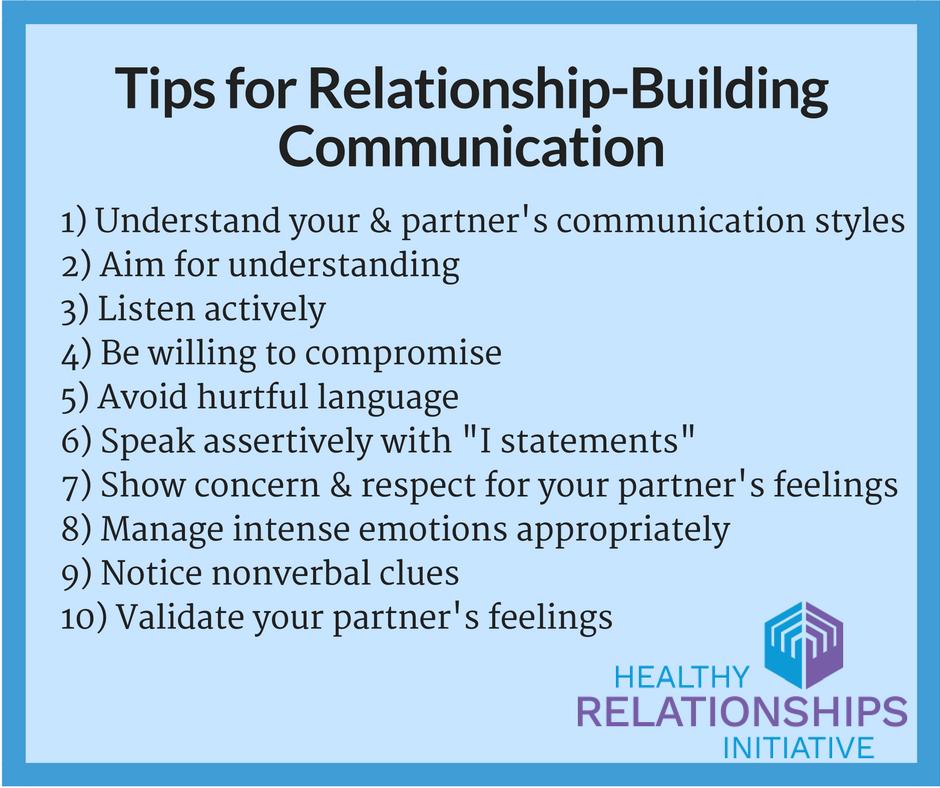
Healthy relationships are built on honesty, mutual respect, and clear communication.
Paranoia



Paranoia refers to excessive or unfounded distrust of others.
Mild suspiciousness can occur during periods of stress, but persistent paranoia that significantly affects daily life should be evaluated by a healthcare professional.
Schizophrenia


Schizophrenia is a complex mental health disorder that can affect how a person thinks, perceives reality, and behaves.
Possible symptoms include:
- Hallucinations
- Delusions
- Disorganized thinking
- Reduced emotional expression
With appropriate treatment and support, many people with schizophrenia can manage their condition and lead fulfilling lives.
Emotional Exploitation

Emotional exploitation occurs when someone repeatedly takes advantage of another person’s trust, emotions, or vulnerabilities.
Warning signs may include:
- Excessive control
- Manipulation
- Constant criticism
- Isolation from friends or family
- Emotional intimidation
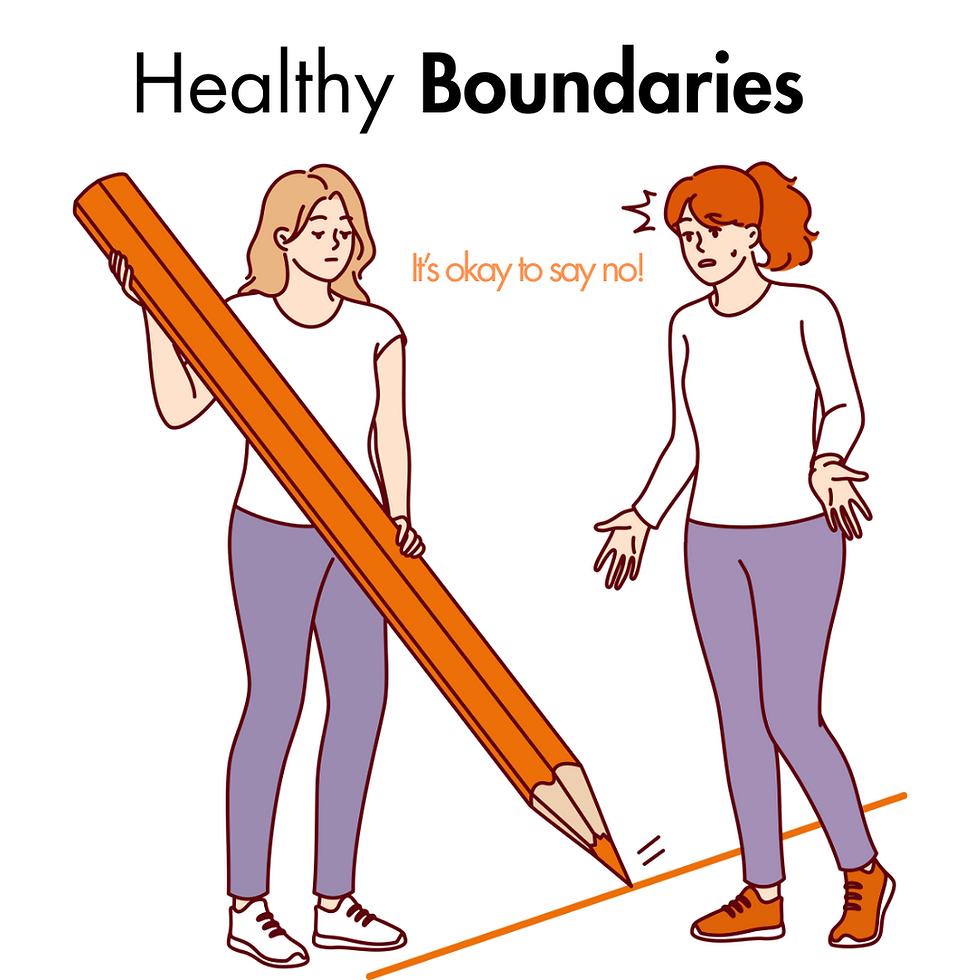
Learning to establish healthy boundaries is an important part of emotional well-being.
Healthy Coping Strategies
Many evidence-based habits can support mental wellness:
Stay Physically Active
Regular exercise benefits both physical and mental health.
Prioritize Sleep
Aim for consistent, quality sleep each night.
Eat a Balanced Diet
Nutritious foods support brain and body health.
Practice Mindfulness
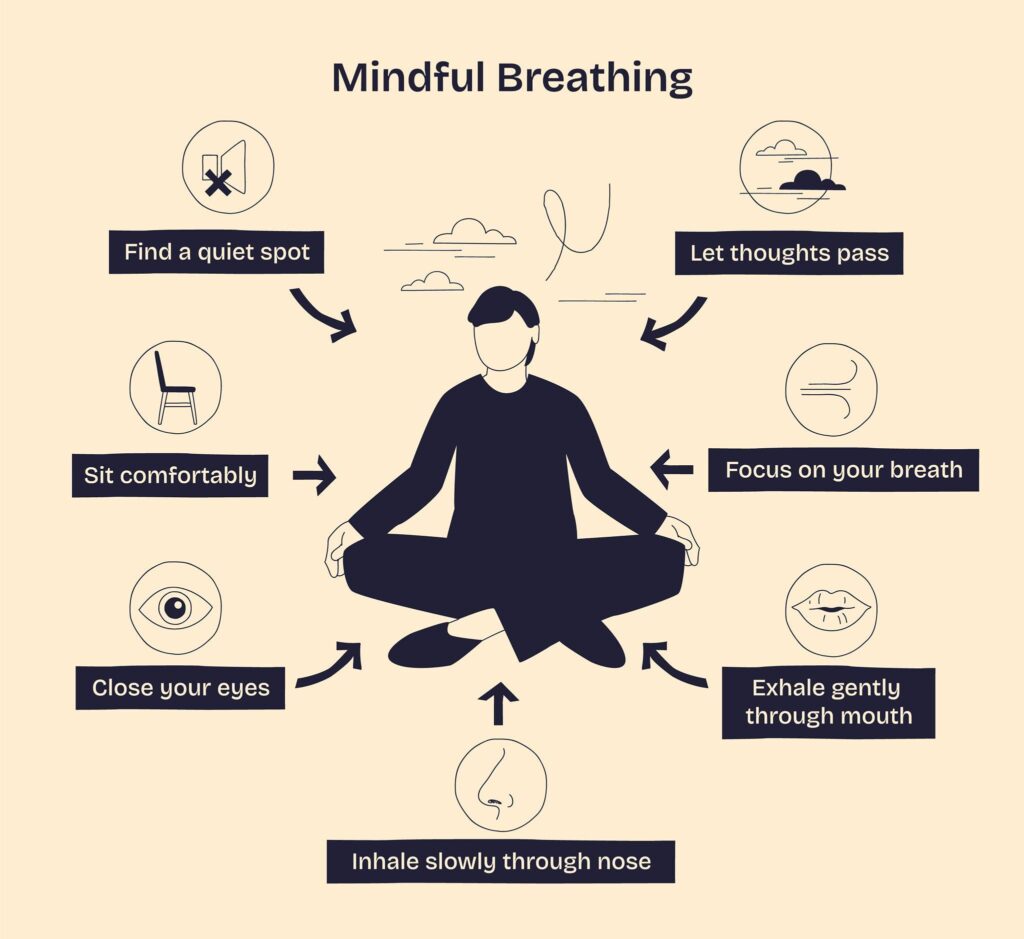
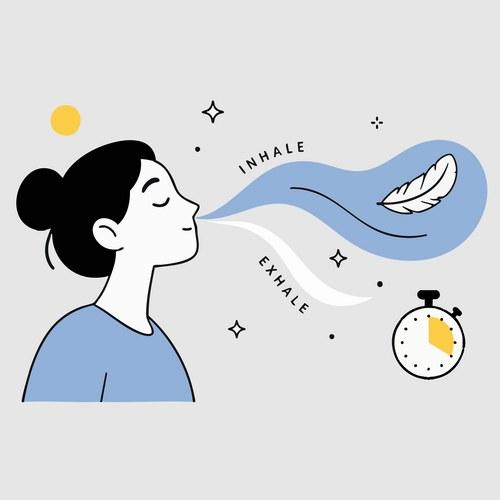
Meditation, deep breathing, and relaxation exercises may help reduce stress.
Stay Connected
Talking with trusted family members or friends can provide valuable emotional support.
Limit Harmful Coping Habits
Reducing excessive alcohol consumption and avoiding recreational drug misuse can support overall well-being.
Natural Ways to Support Emotional Well-Being



Natural approaches that may complement mental wellness include:
- Spending time in nature
- Journaling
- Yoga
- Relaxation breathing
- Listening to calming music
- Maintaining regular routines
- Practicing gratitude
These practices can support well-being but should not replace professional treatment for mental health conditions.
When to Seek Professional Help
Consider speaking with a qualified mental health professional if emotional difficulties:
- Persist for several weeks.
- Interfere with work, school, or relationships.
- Cause severe distress.
- Affect your ability to care for yourself.
Seeking help is a positive step toward recovery and well-being.
Building a Mentally Healthy Lifestyle
Small daily habits can make a meaningful difference:
- Learn new skills.
- Spend time with supportive people.
- Balance work and rest.
- Set realistic goals.
- Practice kindness toward yourself and others.
Mental well-being is strengthened through consistent, healthy choices over time.
Conclusion
Mental health is an essential part of overall health. Understanding common psychological conditions, recognizing unhealthy behaviors, and adopting healthy coping strategies can help individuals build resilience and improve quality of life.
Whether caring for yourself or supporting someone else, compassion, knowledge, and timely professional guidance can make a meaningful difference.
Why Choose HZ Siddiqeen Online Shopping Store?
At HZ Siddiqeen Online Shopping Store, we believe that a better life is built on informed choices and trust. Alongside quality products, we aim to share educational content that helps our readers make thoughtful decisions in everyday life.
Built on Trust, Delivered with Care.
Frequently Asked Questions (FAQ)
Can stress lead to anxiety or depression?
Long-term stress can increase the risk of developing anxiety or depression in some people, although not everyone experiencing stress will develop a mental health condition.
Can mental health conditions be treated?
Many mental health conditions respond well to evidence-based treatments such as psychotherapy, medication when appropriate, lifestyle changes, or a combination of these.
Are natural remedies enough?
Healthy habits like exercise, mindfulness, and good sleep can support emotional well-being, but they are not substitutes for professional treatment when someone has a significant mental health condition.
Is asking for help a sign of weakness?
No. Seeking help is widely recognized as a constructive and responsible step toward improving mental health.